Is There a Perfect Microphone for Every Recording Situation?
If you first venture into the world of recording-podcasts, music, YouTube videos, and even voiceovers, a question that likely hangs at the back of your mind is, “Which microphone should I buy?” In fact, options can become overwhelming, since one sees condenser, dynamic, USB, XLR-and even a few types which no one can fully remember by name. But is there such a microphone that ideally fits every recording scenario?
The short answer is: No. The longer version, though, is a bit more nuanced. Let’s explore why the “perfect” microphone’s right fit for the task at hand rather than that one mic to rule them all.
Understanding Different Microphones
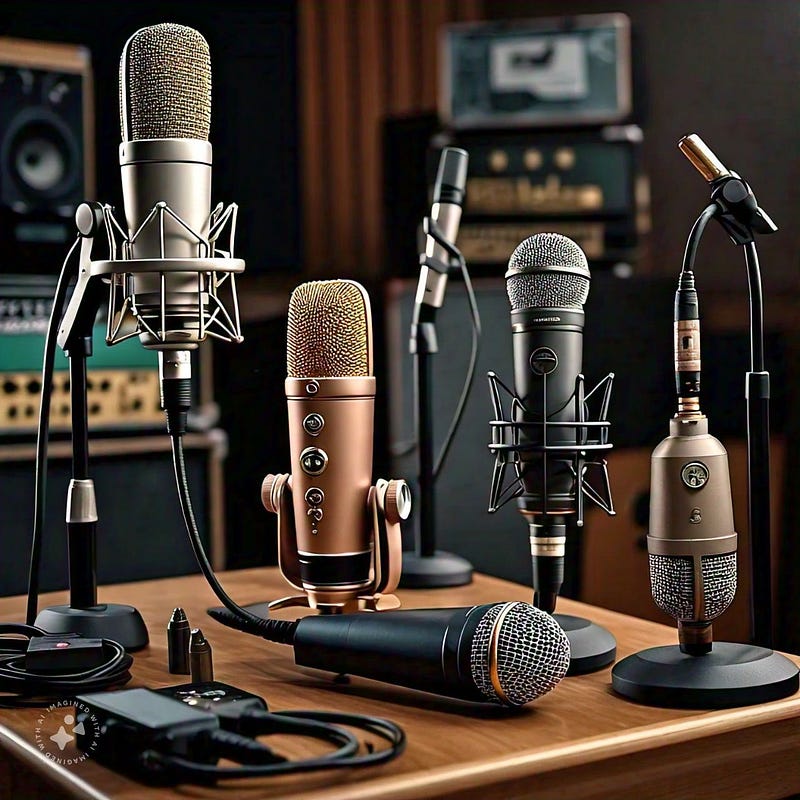
Everyone would have been educated, for sure, on having the perfect microphone to suit any situation.But before we get to that, let’s take a look at the different types of microphones one is going to run into. Generally speaking, microphones can be divided into two broad classes, based on the configuration of the internal components of the microphones: dynamic microphones and condenser microphones.
1. Dynamic Microphones
Dynamic mics are more robust, more resistant, and not that easily influenced by ambient noises. They are best used in very loud environments or situations where background noise could not be avoided. Dynamic microphones are greatly liked by musicians for live performance purposes, as well as recording loud instruments such as guitar amplifiers and drum kits. Their usefulness really shows itself in the sonic pressure of heavy environments like concerts or heavily laden studios.
2. Condenser Microphones
On the other hand, condenser mics are very sensitive. They capture a much wider range of frequencies and capture finer details in sound. That is why they are perfect for studio recording especially in a controlled environment where you would like to capture the slightest detail from a voice or instrument. They are used in such wide proportions for podcasts, voiceovers, vocals, and acoustic instruments. However, because they are so sensitive, they could also pick up some background noise that you didn’t want to pick up, such as the hum of the air conditioner or sounds outside from the street.
There are still other characteristics that can describe the microphones- polar patterns like cardioid, omnidirectional, bidirectional, among many others; frequency response ranges; and connectivity options may be either USB or XLR.
Finding the Right Mic for the Job
Instead of searching for that perfect microphone, what you need is the right microphone to get the job done, in your situation and environment. Here’s how to think about it for different scenarios:
Podcasts and Voiceovers
Clarity is all about a podcast or voiceover recording. You’re looking for a mic that will pick up your voice clean with little to no distortion and certainly minimal background noise. In a controlled, quiet environment, the condenser microphones tend to take the lead. The condenser mic sensitivity will help to make sure your voice is full and detailed.
Extremely reverberant or noisy spaces can have you opting for a cardioid polar pattern that has been optimized to capture most of its sound almost only from the front side of the mic. Most USB condenser microphones would thus be pretty good options for one who wants to get started.
All that aside, if your recording space is not ideal — you get a lot of reverberation, or you’re recording in a place that isn’t soundproof — a dynamic microphone may be the better choice. Dynamic mics are less sensitive and will pick up far less of the ambient noise. They are also very forgiving in less-than-perfect recording environments.
Singing and Music Recording
If you are recording vocals or instruments, the choice is not as simple. For vocals, you would like condenser microphones. Their capabilities in capturing wide frequency range and detail make them the obvious favorite for recording vocals. You would want a good high-frequency response coupled with sufficient sensitivity to capture nuances in your voice.
But not all condenser mics are created equal. Some are specifically designed for certain types of sound. A large diaphragm condenser microphone is best suited to catch the whole sound of vocals, while the small diaphragm condenser may be a better choice for instruments like the acoustic guitar because of its ability to capture more easily higher-sharper high frequencies.
Dynamic microphones are better for instruments, especially those with higher volumes like drums and electric guitar amps. Dynamic microphones are sturdier, more resistant to sound, and less prone to distortion caused by high levels of sound pressure. You might be able to capture the raw sounds coming from your loud instruments using a good dynamic microphone.
Home Studio Recording
If it’s a budget home studio that you’re setting up, your choice of microphone should naturally be mainly influenced by sound quality and cost. In this case, an USB microphone can be an excellent entry-level option for anyone embarking on the journey of audio recording. Since they can directly connect to your computer, there is no need for additional equipment. Many high-quality USB mics are now in the market; it’s quite an excellent option for podcasters and vloggers alike and even beginners who can’t yet afford an audio interface.
On the other hand, if you really want the best in terms of quality and can afford it, then go for an XLR microphone with an audio interface. The XLR mics are better in terms of quality when it comes to the sound, and it’s very flexible, allowing the player to experiment with sound by playing with the overall sound according to his desire. If you’re serious about recording then, you’ll require absolute control over the sound.
Field Recording and Outdoor Use
When recording outdoors, on the go, whether capturing sounds in the wild or interviewing some individual on the street, gathering sound effects, you may want to go for a lapel mic or a shotgun microphone. Lapel and shotgun mics are made to be extremely portable but accurate.
Lavalier, or lapel, microphones are small clip-on microphones great for interviews or anywhere you need to record hands-free. Frequently coupled with a 3.5mm jack or Bluetooth, lavalier microphones are subtle yet strong enough to capture clear sound.
Shotgun mics are great to shoot outside due to their extreme directivity. They aim to receive sound from a specific direction and neglect unwanted extraneous noise coming from the sides and rear. Because of this, they are often employed for recording the sounds in far-off places and find perfect usage outdoors for film and recording purposes where excessive ambient noise is an issue.
Summary : The Right Mic for the Right Situation
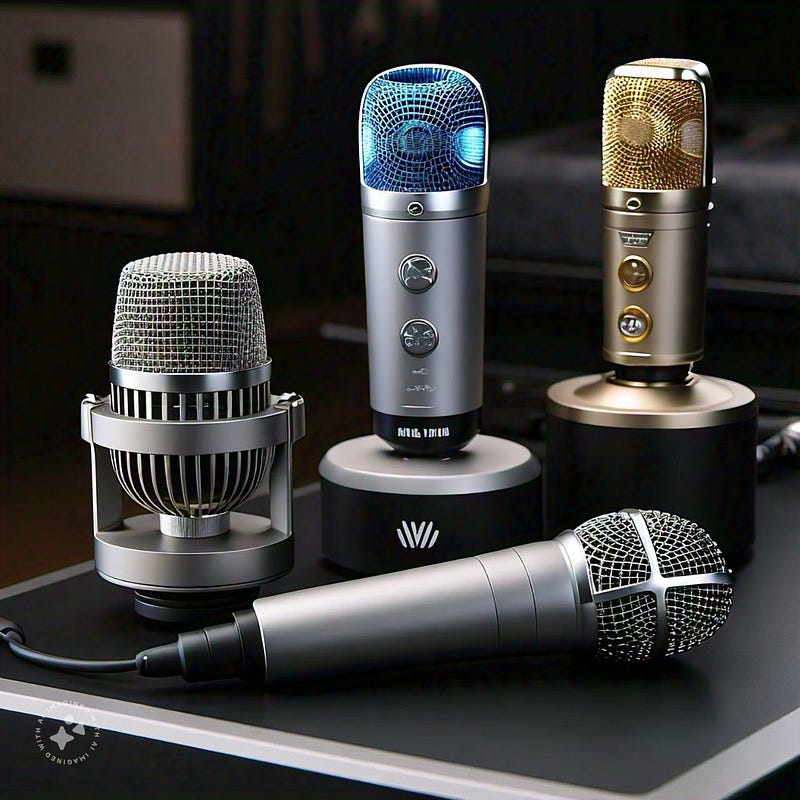
Well, then, is there such a thing as a perfect microphone for every situation? The answer is yes; again, the answer depends on what you’re recording, where you’re recording, and how much control you have over your environment.
For instance, there isn’t a single best mic for all jobs but rather several excellent microphones that do an exemplary job in a certain situation. It’s useful when starting out to do some research and understand your requirements; will you be recording in a quiet room? Are you outdoors? Recording music or spoken word?
Once you have determined the kinds of challenges you will face in your recording environment, choosing the right microphone becomes a matter of finding a mic that fits those needs. So, the “perfect” mic is, after all, the one suited to your particular recording situation and helps you gain the quality of sound you’re seeking.
And, of course, if you ever need professional advice or a better choice in high-quality gear to take your sound to the next level, there’s always a perfect place where companies like VIP PRO AUDIO can offer great guidance and great product options for recording professionals of all levels. Don’t forget: the microphone is only part of the equation and will play off all your recording environment, audio interface quality, and sound editing skills in making the perfect recording. With the right microphone for the job, after a little practice, you are off to a good start in making great sounds consistently.
.jpg)
.png)
.jpg)
Comments
Post a Comment