What’s the Secret to Getting the Best Mix on Reasonable Headphones?
As a hobbyist music producer, you probably understand the issue of mixing on headphones. Be it a podcast, a music piece or any other form of audio you are working on — headphones are perhaps one of the primary components in delivering a good mix. The issue: they are good, even studio-quality headphones, are quite pricy and if while starting out one is on a budget, it is difficult to make the purchase reasonable.
So what is the catch? How do you get the best mix on those dirty headphones? How do you ensure the mix’s just as terrific through more reasonable equipment? The price of those headphones is not the issue; it is their intended purpose and how you are going to make up for their shortcomings. In this blog, we’re going to explore how to achieve the best possible mix even on a shoestring budget and how to ensure that your audio works fine on various devices like car stereos or decent but cheap earphones.
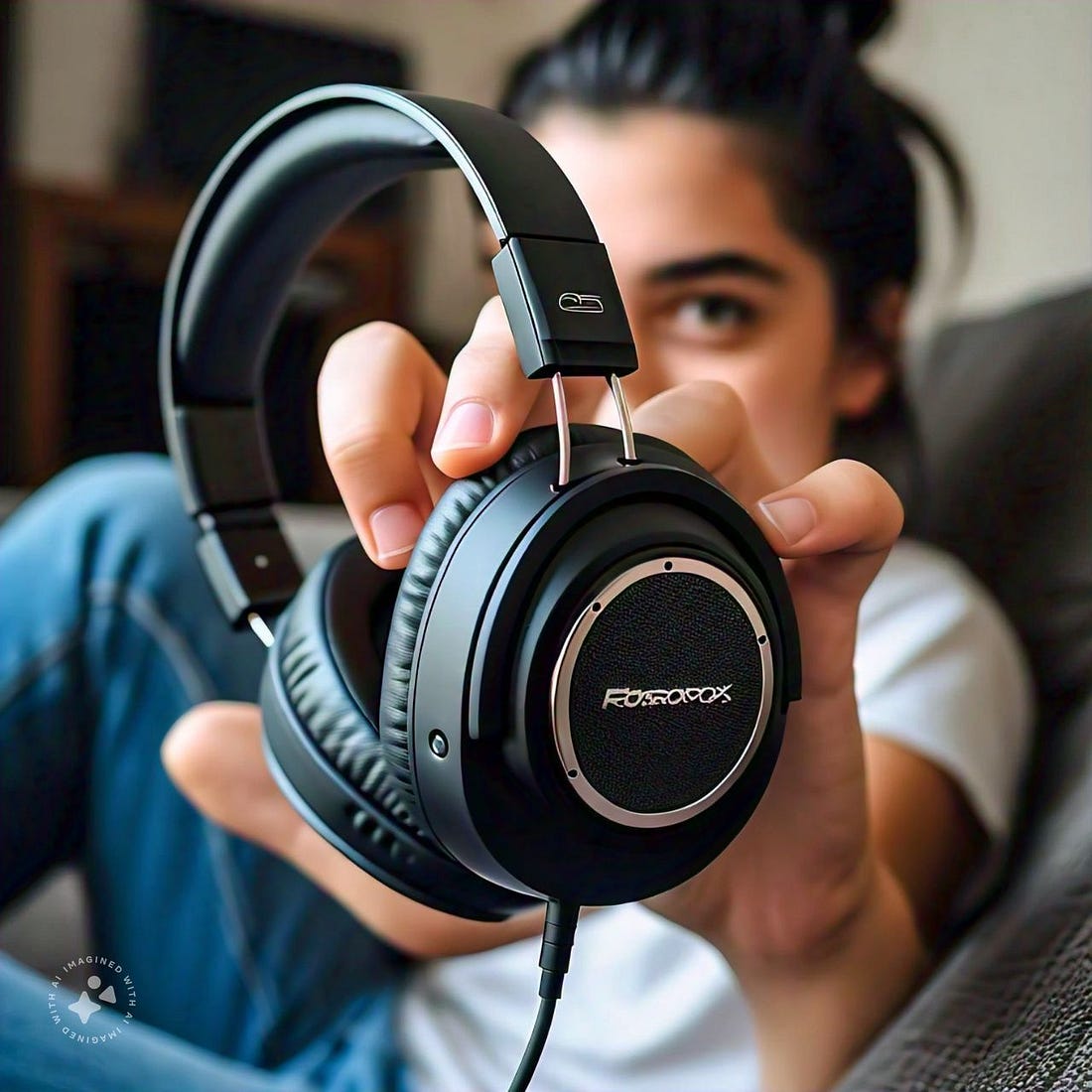
Know Your Headphones: Understanding Their Limitations
The first step to getting a good mix on cheap headphones is to realize that all headphones have their quirks, particularly the budget ones. Reasonable headphones won’t be as accurate in terms of frequency response — they can beef up in parts, like the bass, and limp them in others, such as the high end. That might give you a better false impression of your mix than actually achieved, so knowing this going in is important.
To get the best mix out of affordable headphones:
- Familiarize yourself with the sound profile: Use music you are intimately familiar with, tracks that you have heard a million times through different systems, perhaps in your car or on your phone, or even through a fantastic pair of speakers. This sets a reference point for what your headphones are doing. Does the bass sound too heavy? Are the vocals buried, or are they somehow lost in the mix?
- Test with reference tracks: A reference track is simply a song that’s been professionally mixed and mastered. Pick a song you know inside out and compare it to the mix you’re working on. Does your mix sound as balanced? Is the low end as clear? The point is to get used to what a “good” mix sounds like, even without ear-bug type high-end headphones.
Comfort and Fit Matter
A reference track is simply a song that’s properly mixed and mastered. Choose a song you are familiar with and compare it to the mix you are working on. Does your mix sound as balanced? Is the low end as clear? The point here is to get accustomed to what a “good” mix sounds like, even without ear-bug-type high-end headphones.
To make sure your headphones are doing their job:
- Make sure they fit snugly: Your headphones should cover all of your ears. That’s the seal. That helps to isolate the sound itself and gives a better result of a mix.
- Check for comfort: Mixing could be very inconvenient if the headphones you have do not feel so great. Of course, this is because, if you’re to mix for 15 minutes or longer, then you will need to find comfort within those headphones-not hard on the head or ears.
Control Your Listening Environment
That means no matter how great your headphones might be, the world around will determine what you will hear. If you are doing audio mixing in noisy surroundings, then probably you’ll find it much harder to focus on details in sound. The dilemma is very real, especially when you work with budget headphones-they just cannot compete with serious studio headphones in terms of isolation from ambient noise.
The only thing you can do to make a better mixing environment is some of the following:
- Find a quiet space: It seems pretty intuitive, but you have to work in an absolutely quiet room where external noise would not disturb what you hear. General background noise caused by outside activity or people talking would affect your listening experience.
- Control your volume levels: In order to avoid drowning nuances in your track due to a distracting volume level, adjust your sound levels appropriately: Playing back your mix at an excessively high volume may cause you to overlook crucial elements and in turn, invite distortion to the final mix; however, placing the volume level at a very low setting would mean losing the back of the track details. Finding that middle ground is important.
Use Equalization (EQ) to Compensate for Headphone Imbalances
Affordable headphones usually suffer from a poorly balanced frequency response — usually, some parts of the spectrum, for example, bass or treble, are exaggerated while the rest of the frequencies are suppressed. Therefore, for instance, the low-end frequency response in cheap headphones is typically boosted, which makes it difficult to get a hang of mixing the low-end in the final mix
One of the balancing acts that can be made against this is through EQ, which stands for equalization. With EQ, you can control the amplitude of specific frequencies in your track so that you can fine-tune your mix so that it sounds great on other systems, too.
Here’s how you can use EQ to enhance your mix:
- Identify problem frequencies: If you find that your headphones are emphasizing bass or midrange frequencies, to reduce or boost them, attempt EQing those frequencies. For example, if your headphones respond with an overabundance of low frequencies, you may reduce low-end in your mix to avoid it being “muddy.”.
- Adjust your low-end carefully: Most headphones boost the low-end unnaturally, so it’s hard to tell how much low-end there is in your mix. Use EQ to tame an over bloomy or overpowering bass.
- Be conservative with boosts: Boosting makes a mix sound goofy and introduces distortion whereas cutting tends to make a mix cleaner and more balanced.
Use Mono Checking to Ensure Balance
One issue many of us struggle with when mixing on headphones is panning, or positioning the separate elements of your track in the stereo field (left and right). Because the headphones are already providing you with a clear left-right stereo image directly into your ears, it’s easy to get carried away and overdo the panning of elements.
For example, one helpful technique to avoid this is to occasionally switch to mono. Mono is the combination of the left and right channels into one sound source, and it’s a great way to check whether your mix has a solid balance, no matter how broad a stereo spread it might have.
- Check for phase issues: You may find phase problems, where the sounds are actually canceling each other out, especially when you listen in mono. If something sounds thin or weak in mono you probably need to readjust the balance of certain elements in your mix.
- Ensure clarity in the center: In most mixes, such as vocals, bass, and kick drum are quite often panned to the center, so you want to make sure that these elements are clear and sound solid in mono. That way, your mix will always sound great on any system.
Cross-Check Your Mix on Other Devices
One of the most important mixing steps is cross-checking your work on multiple devices. The fact is, people will be listening to your mix on all sorts of different devices: reasonable earbuds, car speakers, laptop speakers, etc. It’s crucial that your mix translates well across all these platforms.
Here’s how you can cross-check your mix:
- Listen on different headphones or speakers: Change around to see how different headphone pairs might respond. Sometimes I’ll put the mixes onto regular speakers and hear the effects of more of the world.
- Test on earbuds and mobile devices: After a few rounds of testing, listen to your mix on earbuds or on your phone. This is how most people are going to consume that favorite podcast or song.
Take Breaks and Trust Your Ears
You may find yourself having to mix for hours on end, and your ears get quite tired if using a budget-priced headphone, above all. The monitoring system changes over time in terms of frequencies and you could very well start making some bad decisions about what’s happening at the moment.
To avoid this, be sure to:
- Take regular breaks: Take a time out from your headphones every 30 minutes or so to let your ears rest. This way, you keep getting a fresh perspective once you come back to your mix.
- Trust your instincts: If it sounds unwarranted, then it is unwarranted. You are the most effective resource at your disposal. You’re the best tool you have. Pay good attention and trust your judgment; it doesn’t matter how cheap your headphones are.
Getting the Best Mix on Affordable Headphones
Mixing on affordable headphones is entirely possible and can be done within a short time when one is patient enough with a bit of practice. The game here is in understanding which limitations your headphones have, EQing and mono-checking to correct imbalances, and cross-checking one’s mix on multiple devices to ensure a translation across. You can go to various shops like VIP PRO AUDIO to see a dozen varieties of such earphones.
Where high-end headphones are necessary for a far more detailed ear to the task at hand, but don’t let budget beguile you. You can still make mixes sound polished and professional no matter the price by learning how to use what you have affordably.
.jpg)
.png)
.jpg)
Comments
Post a Comment